What Happens in Your First Barbell Strength Session
Most people who sign up for Strength Foundations for the first time have the same worry: they'll be the only person who doesn't know what they're doing. The class is designed for that. Here's what actually happens from the moment you walk in.
The First Fifteen Minutes Are Technique, Not Weight
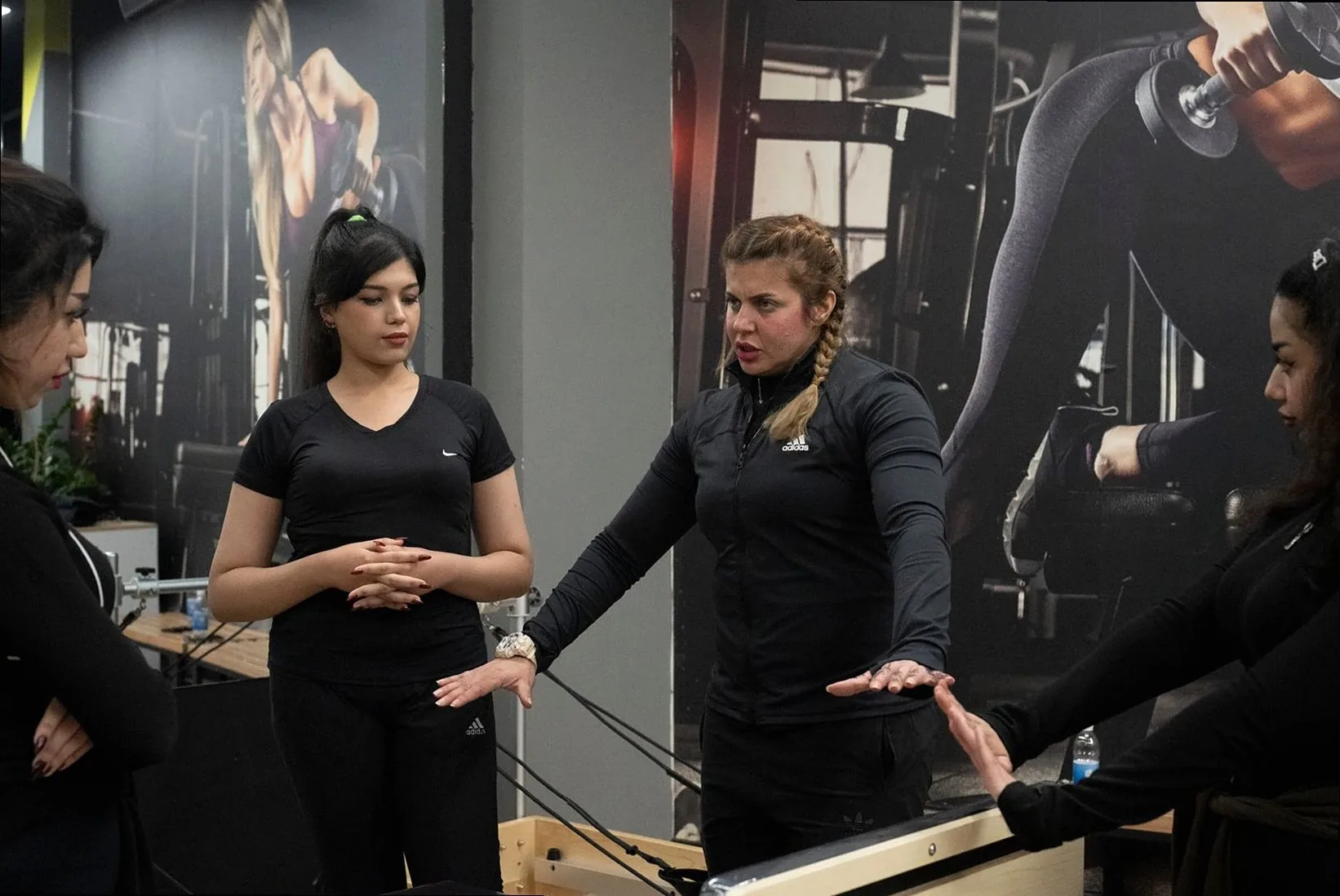
Every Strength Foundations session starts with a movement briefing. The coach demonstrates the two movements for that session, explains the key positions, and then everyone runs through the pattern with an empty bar or a light load. Nobody picks up a working weight until the coach has seen everyone move.
This is not optional. It's the part of the session that makes the rest of it safe and useful. If you've never squatted with a barbell before, the first fifteen minutes will feel slow. That's correct.
How the Loading Works
After the technique work, the session moves into working sets. You choose your own load based on what felt manageable during the warm-up. The coach will suggest a starting weight if you're not sure. The rule is: start lighter than you think you need to. You can always add weight. You can't un-strain a lower back.
Sets are typically three to five rounds of five to eight reps, with rest between sets. The coach moves around the room during working sets and will give you a cue if something looks off. Not a lecture. One cue. Fix it, continue.
What the Four Movements Are
Strength Foundations rotates through four movements across the week: squat, hinge (deadlift and its variations), press (overhead and bench), and pull (barbell row). Each session covers two of the four. If you attend twice a week, you hit all four in a fortnight.
The movements are not interchangeable with machines. The class uses barbells and occasionally dumbbells. There are no cable machines or leg press stations in the Strength Foundations programme.
What to Bring and What to Wear
Flat-soled shoes are better than running shoes for barbell work. Running shoes have a raised heel and cushioning that reduces stability under load. Converse, Vans, or dedicated lifting shoes all work. If you only have running shoes, come anyway. We'll work with what you have.
Comfortable clothes that let you squat without restriction. A water bottle. That's it.
The first session is mostly about learning to move. The second session is where you start to feel what the training is actually doing. Most people who come once come back.